Bridging Seattle’s History with Digital Evolution
About
The Museum of History and Industry (MOHAI) is an important connection point to Puget Sound’s past. It began in 1911 and has grown to be Washington State’s largest private heritage organization with more than four million objects, documents and photographs. MOHAI exists to connect the entire State of Washington with the people, culture, technology and ideas that started in Seattle and have grown to have global impact to date
Problem Overview
MOHAI needed a website that amplified its mission and vision, created meaningful opportunities for engagement and captured the essence of both the museum and the city of Seattle. Additionally, the MOHAI team wanted an online experience that aligned with the museum’s ethos of discovery
Research-Driven Strategy
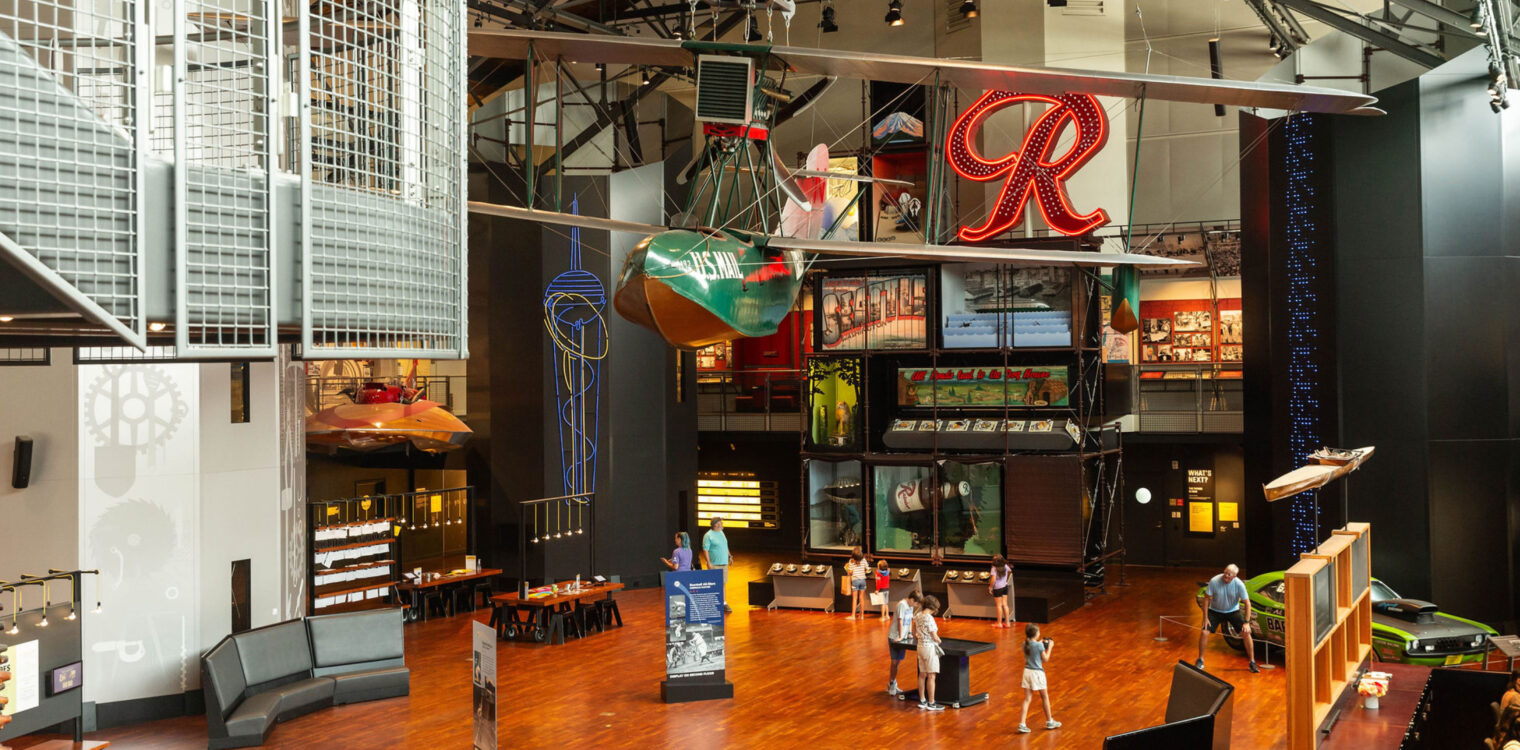
SiteCrafting kicked off the website work with a field trip to MOHAI’s library and collection department followed by a museum visit. The collection department was impressive. From wall to ceiling photo archives to a warehouse filled with neon signs, vehicles and furniture, the team gained an up close and personal glimpse at the depth and breadth of the items included in the MOHAI collection. A streamlined website structure that connects visitors, researchers and staff with MOHAI’s rich historical content emerged as a top priority for the project.
Through the formal discovery phase of the project, SiteCrafting’s UX research team learned that
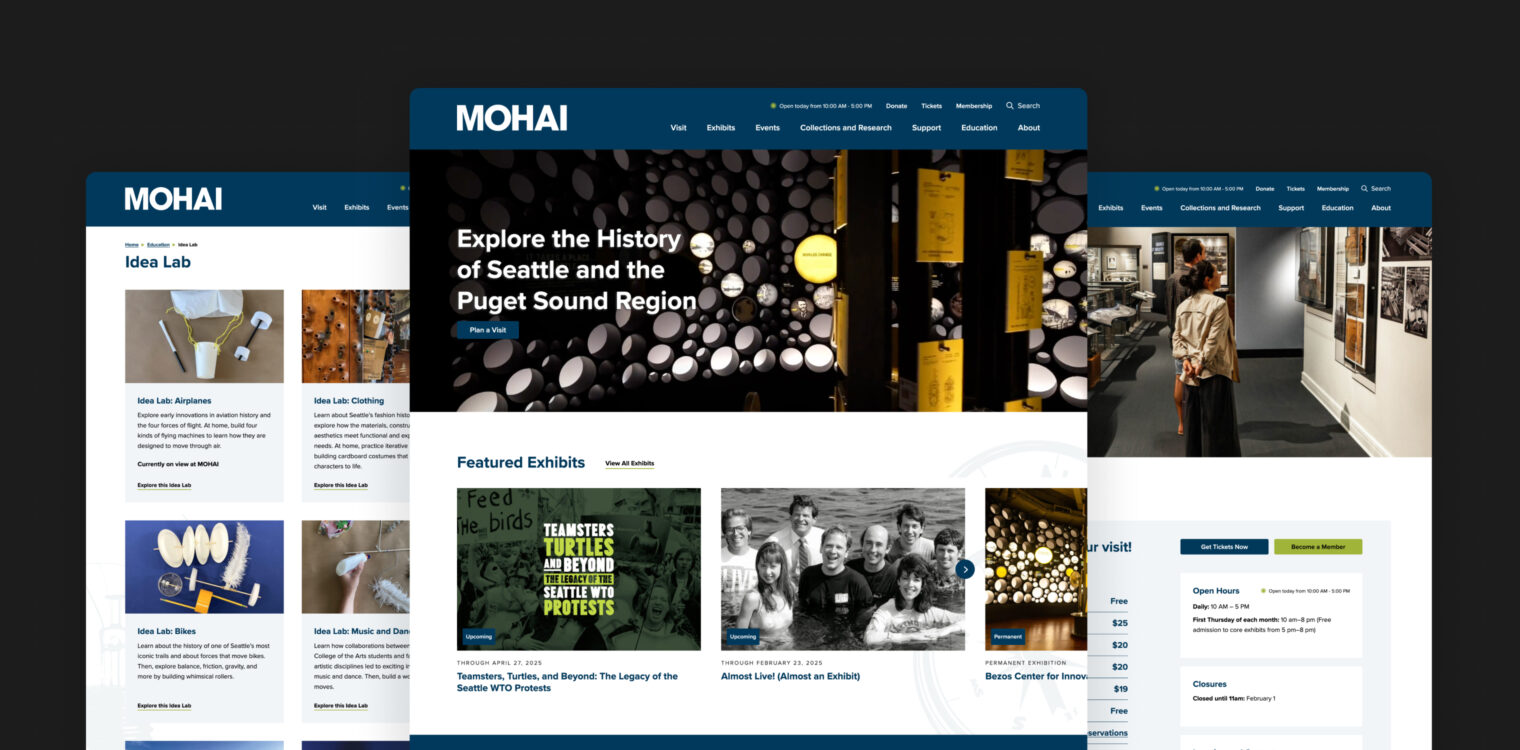
MOHAI’s website is more than just an online presence — it serves as a vital tool for education, engagement and community connection. As a well-known and respected museum in the Pacific Northwest, MOHAI needed a digital space that reflected its impact and removed common barriers to access its wealth of information and artifacts. A new website structure, streamlined pathways for engagement and a look and feel that matched in the in-person museum experience emerged as top priorities.
Building a Better Collections Search Experience
A key part of MOHAI’s digital strategy was creating a seamless search experience that kept users engaged within the website. To achieve this, our developers built a system that integrates collection search directly within the MOHAI website rather than directing users to an external service. The system queries data from Mohai’s collections management software Proficio formats the results to match the site’s design and displays them in a way that feels natural within the site. To improve performance, all results are stored in WordPress cache creating a faster and more reliable search experience.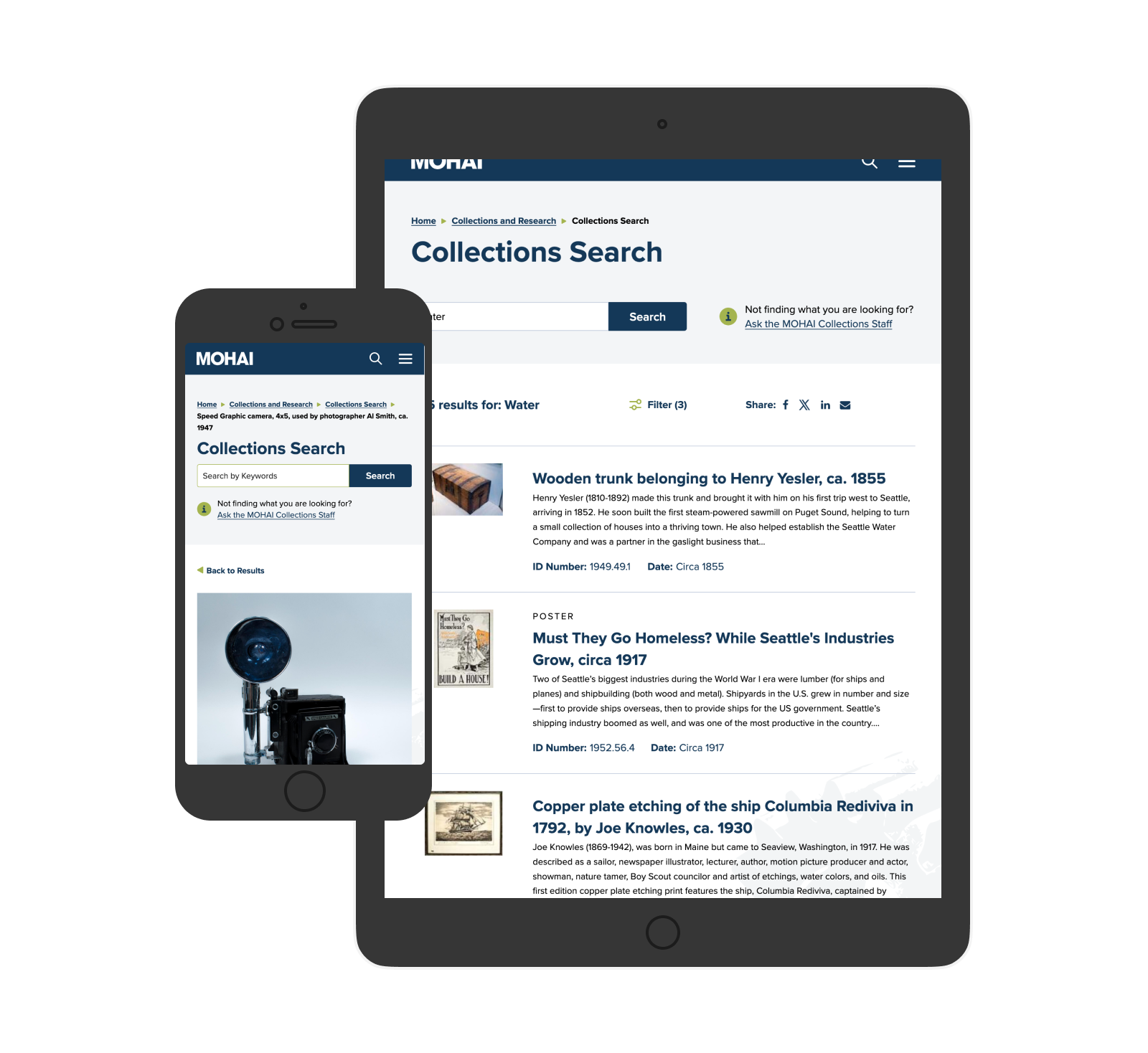
Beyond providing on-page search functionality, the integration allows MOHAI to dynamically generate pages showcasing specific categories of content. These pages pull directly from the API enabling the museum to highlight themes or topics that align with visitor interests such as a collection focused on Bill Nye. Additionally, MOHAI’s collections management software is integrated into the site’s broader search ensuring that collection results appear alongside other relevant content. To support visibility beyond the site, we optimized the display of search results for SEO improving discoverability.
To enhance the overall visitor experience, we also integrated MOHAI’s hours of operation using Google’s Places API. This allows the website to dynamically display accurate real-time opening information such as “Opens later today at 10 AM” or “Open today from 10 AM–5 PM” helping visitors plan their visits with confidence. Together these improvements create a more intuitive and engaging way for users to explore MOHAI’s diverse collection while maintaining the immersive feel of the museum’s digital presence.
A Digital Experience Rooted in History
MOHAI’s redesigned website is more than a refreshed look. It is a strategic platform designed to enhance engagement, accessibility and storytelling. With an expanded content strategy and improved navigation, visitors can more easily explore MOHAI’s vast collections, events and exhibits. Integrated collections content ensures that historical artifacts and stories remain central to the user experience while an improved event management system makes it easier for visitors to discover and participate in museum happenings.
The new design reflects the immersive and engaging nature of MOHAI’s in-person experience, reinforcing the museum’s role as a bridge between past and present. Features that support and nurture the visitor journey guide users toward deeper connections with MOHAI’s content whether they are planning a visit, researching historical topics or exploring exhibits online. By combining thoughtful UX design with technical expertise, the redesigned website strengthens MOHAI’s ability to share history with a broader audience while providing a flexible foundation for future growth.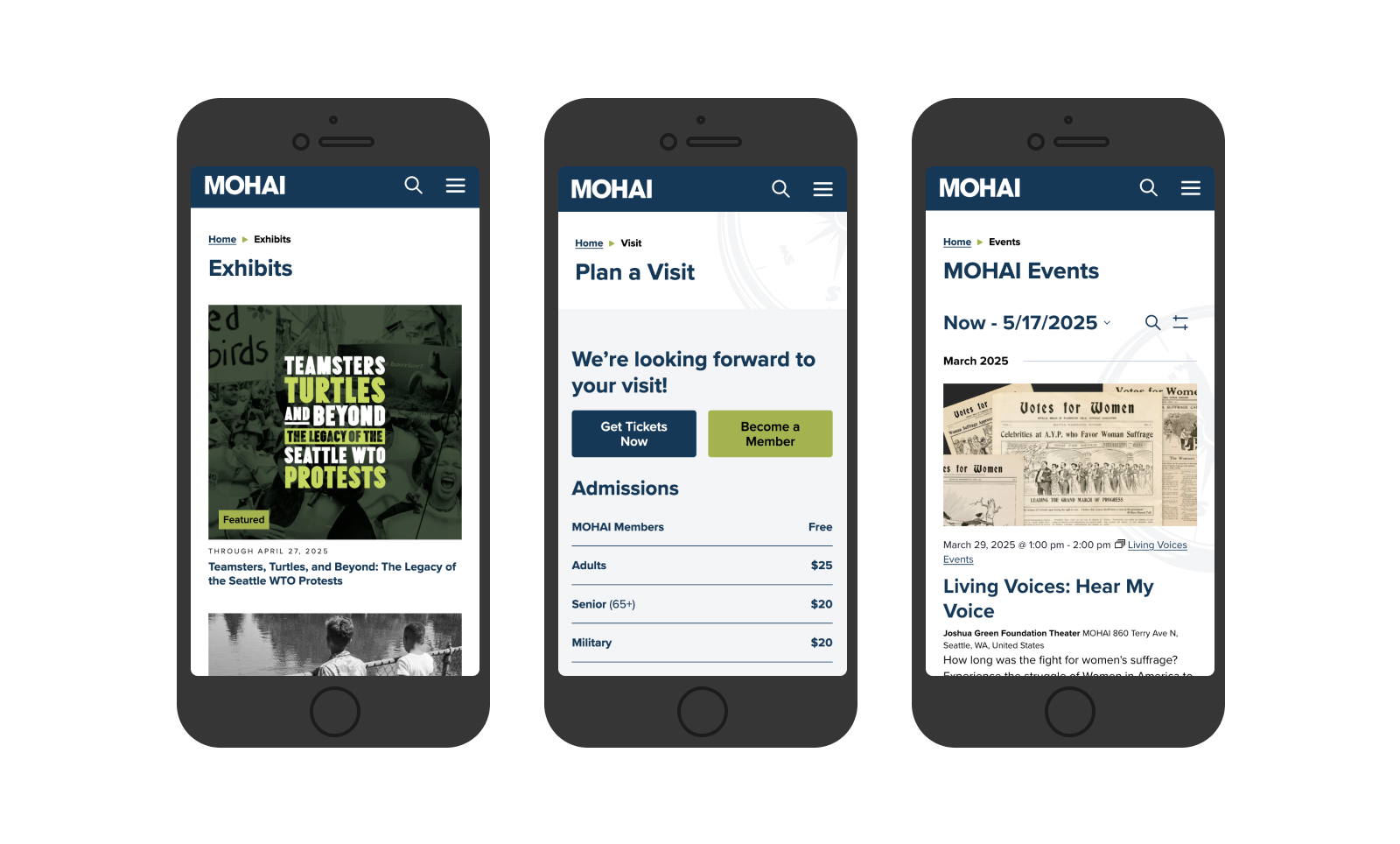
Contributors









Next Case Studies

Washington State Fair Event Center
Turning Clicks into Memories: A Website Built for Eventgoers
Read Washington State Fair Event Center Case Study